
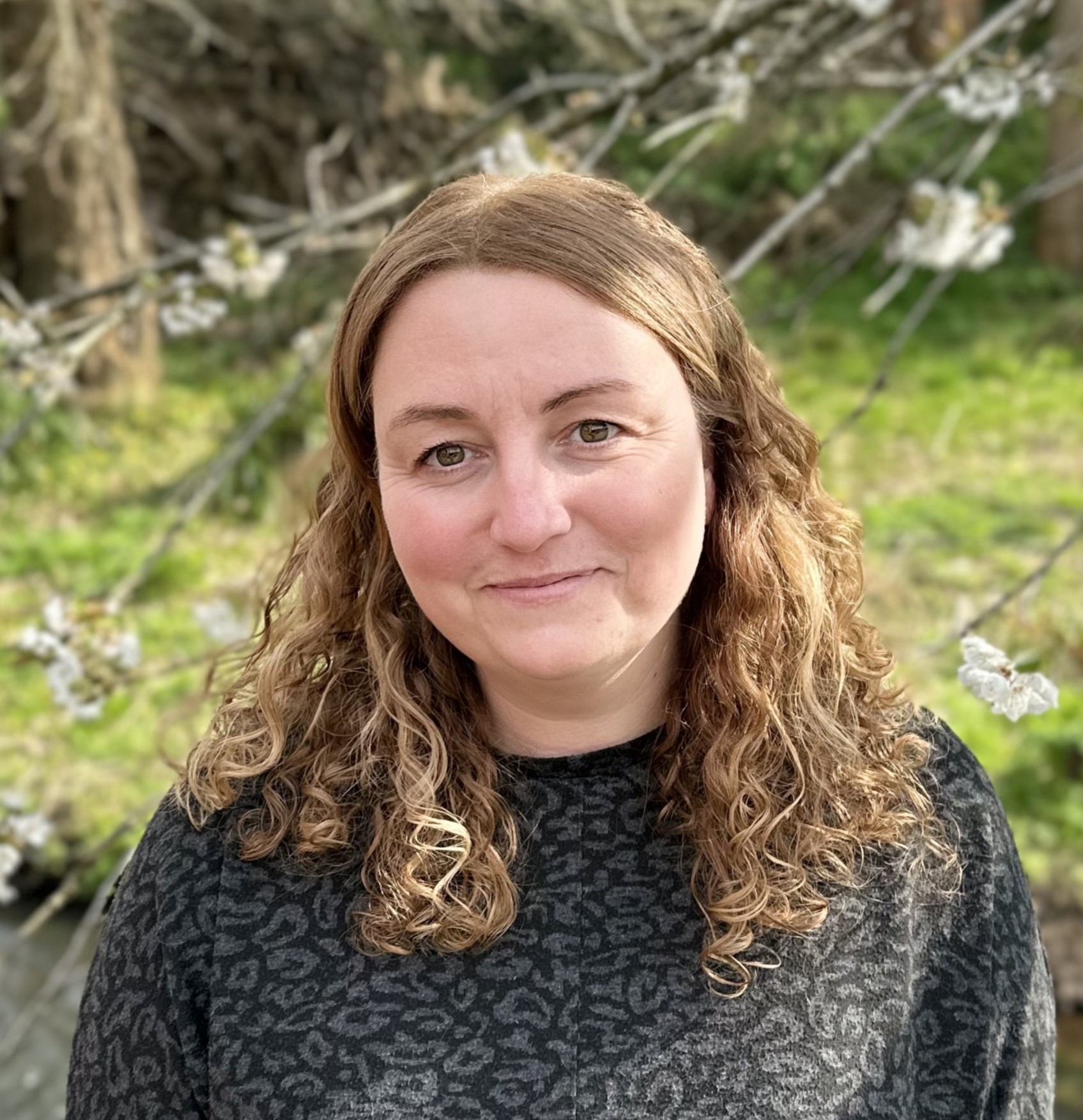
Eloise Shavelar | Global Head of Campaigns at Compassion in World Farming
Calling for Compassion in World Farming
By her own admission, Eloise Shavelar acknowledges that her role at global animal welfare and environmental NGO, Compassion in World Farming, is more of a calling than a job.
The Global Head of Campaigns and Advocacy (Animal Welfare) admits that she can’t remember a time when she wasn’t sensitive to the feelings of animals.
“From being upset if a friend trod on a snail to feeling worried if I saw a lost dog, these feelings carried with me from being a child to a teenager and I knew I wanted to help animals,” says Eloise, who leads high impact campaigns, coordinated across countries, to mobilise citizens in advocating for animal welfare at a policy level.
“I always assumed I’d work with animals, though I received little career advice and mostly heard about working at an animal shelter or being a vet. I just focused on studying courses that were animal related and hoped I would find my way.
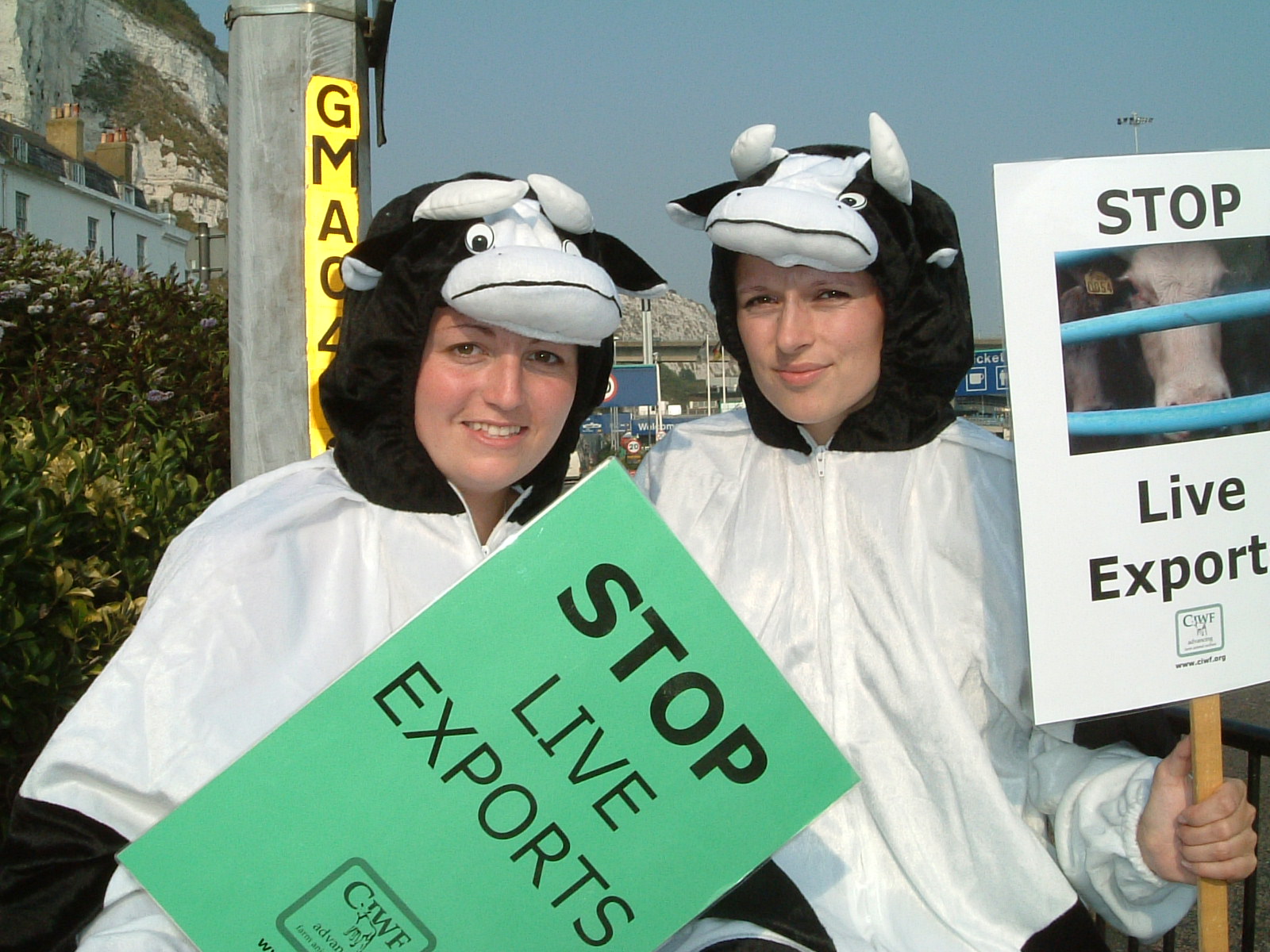
“Today I feel privileged to have spent my working life in a professional campaigning capacity. I first joined Compassion in World Farming in 2005 and it was in 2008 that I witnessed my first live exports shipment from the UK to France. I still remember the smell and how I felt seeing the animals confined in those lorries, knowing they would be on there for days.”
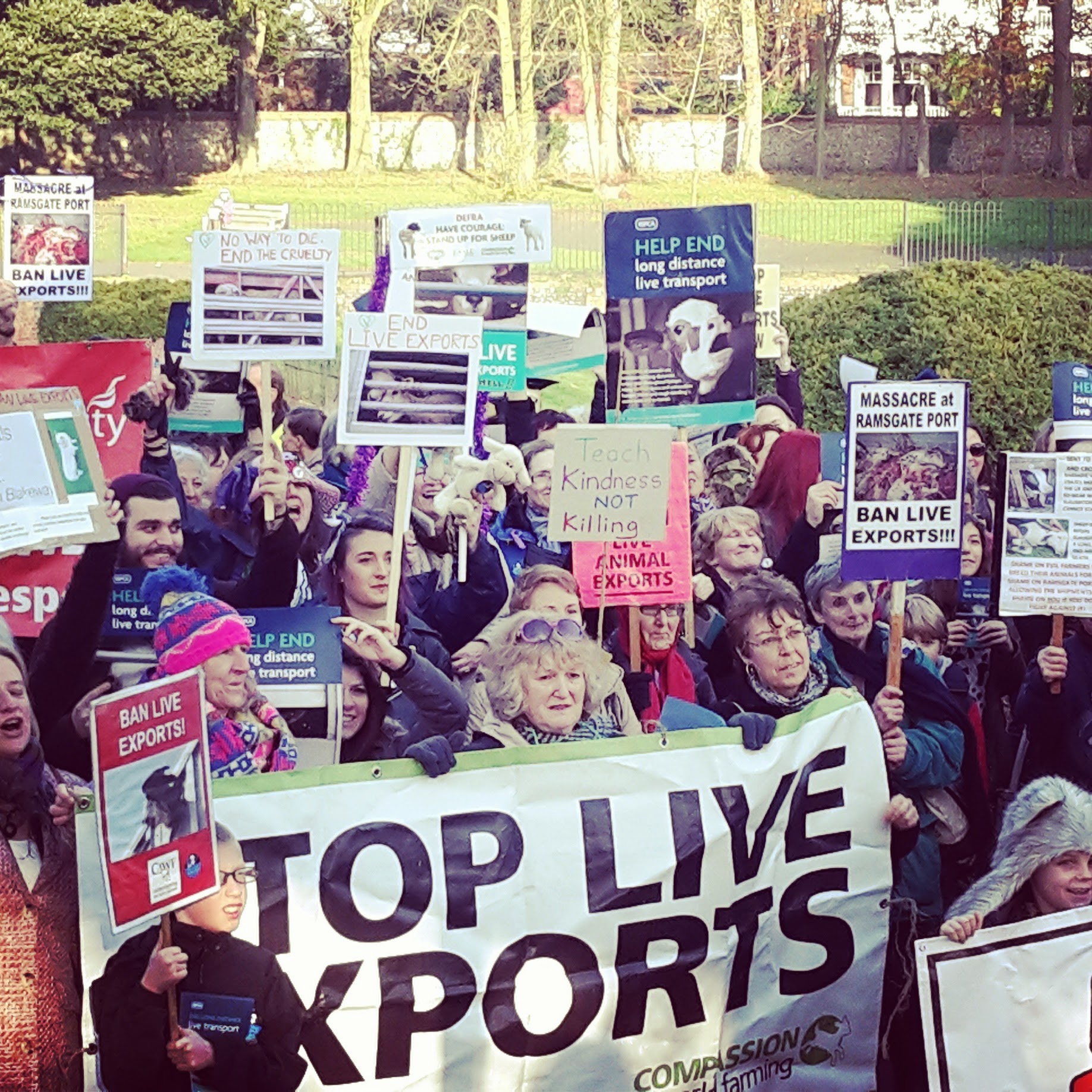
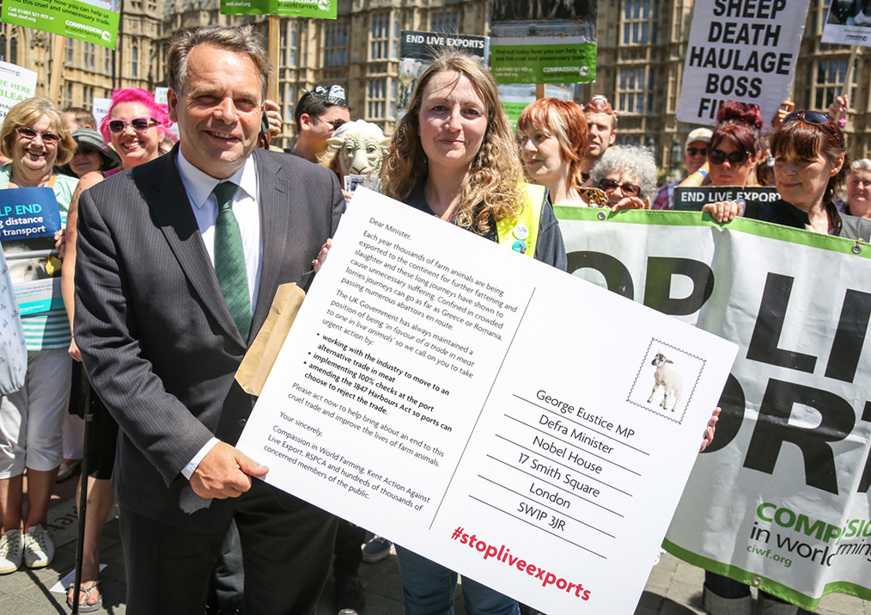
Compassion in World Farming has campaigned worldwide against live animal exports for many decades. The globally respected organisation has advocated for bans on both long-distance transportation and international exports of live animals, including in Australia, along with improved welfare standards in transport and slaughter.
“Live animal transport is another part of the farming system that causes animals to suffer,” says Eloise, who studied Animal Management at Sparsholt College, and has a degree in Animal Behaviour and Conservation from Anglia Ruskin University, both in the UK. She also recently completed a master’s in media, campaigning and social change.
“Animals who endure long journeys are susceptible to heat and cold stress, a lack of space to stand or lie down in a natural position, a lack of feed or water to sufficiently meet their needs, and little or no legal protection for their welfare.
“We urgently need to do things differently. A substantial proportion of the world’s sustainability and health challenges arise from industrial livestock systems. How we feed, house, transport and slaughter animals not only impact the lives of sentient beings, but it effects our own ecosystems and the health of humans.”
For these reasons and many more, Compassion in World Farming is working closely at a United Nations level, to influence improvements, and is currently calling for a UN Agreement that will promote the development of food and farming policies that benefit animals, people and the planet.
“Our focus has been on calling for an end to the most horrific journeys experienced by animals,” adds Eloise. “These usually involve a sea crossing or total transport times that go into days and weeks. It’s usually in these cases that regulations fail to be adhered to, so in addition to calling for an end to these journeys, we highlight where greater enforcement is needed.
“The reality is that live exports and long-distance transport is cruel and unnecessary, animals should not and need not suffer. There is huge public support to end live exports and policy makers should be acting on the will of citizens to bring about an end to this trade.
“We have seen governments introduce bans on live exports, and others must follow and put in alternative provisions, including a trade in carcasses.”
Eloise points to Luxembourg, New Zealand, Germany, Great Britain and Australia, which have made legislative moves to reduce or end the live animal export trade in the last three years.
“Change is happening,” she says. “Compassion in World Farming believes the bans on live exports from Australia and Great Britain are a result of dedicated and persistent campaigning over many decades.
“It highlights that our collective actions, big or small, will make a difference, and when we achieve these successes, it ends the suffering for millions of animals. This means everything.”